How to Repair a Butynol Roof Using Fiberglass
Learn when and how to use fiberglass for butynol roof repairs. This advanced technique can provide long-lasting solutions for severely damaged butynol roofs.
Expert guide from NZ's butynol roof repairs specialists.
When to Use Fiberglass for Butynol Roof Repairs
Fiberglass (GRP - Glass Reinforced Plastic) can be an effective solution for certain butynol roof repairs, particularly when the existing membrane has significant damage or when you need a harder, more durable surface.
However, this method isn't suitable for all situations. Traditional butynol patches remain the preferred choice for most repairs due to better flexibility and simpler application.
Important: Fiberglass repairs on butynol roofs require professional skills. We recommend professional assessment before attempting this method.
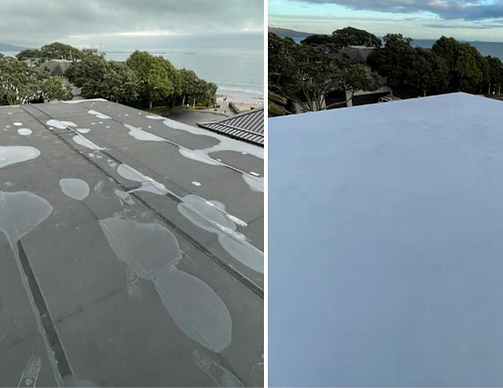
When is Fiberglass Appropriate?
Consider Fiberglass When:
- Large areas of damage or deterioration
- Need for a harder, walkable surface
- Structural reinforcement is required
- Multiple previous repairs have failed
- Transitioning to a different roofing system
Stick to Standard Butynol Repairs When:
- Small, localized damage (patches work well)
- Roof is in generally good condition
- Building has significant movement
- Budget is a primary concern
- Quick repair turnaround needed
Fiberglass Butynol Repair Process
The step-by-step process for applying fiberglass over butynol roofing.
Surface Preparation
Clean the butynol surface thoroughly. Remove all dirt, moss, and loose material. The surface must be completely dry and free of contaminants.
Apply Primer
Apply a compatible primer to the butynol surface. This ensures proper adhesion between the existing membrane and the fiberglass overlay.
Lay Fiberglass Mat
Position the fiberglass matting over the repair area, ensuring adequate overlap onto sound butynol. Cut to fit around penetrations.
Apply Resin
Saturate the fiberglass mat with polyester or epoxy resin using a roller or brush. Work out air bubbles and ensure complete saturation.
Additional Layers
For structural repairs, apply additional layers of mat and resin. Each layer adds strength and waterproofing capability.
Topcoat & Finish
Apply UV-resistant topcoat once cured. This protects the fiberglass from sun damage and provides a finished appearance.
Fiberglass vs Traditional Butynol Repairs
Advantages of Fiberglass
- Creates extremely hard, durable surface
- Can bridge larger cracks and gaps
- Seamless waterproof finish
- Long-lasting when properly applied
- Good for structural reinforcement
Considerations
- More complex application process
- Requires specific skills and materials
- Can be inflexible in extreme cold
- Surface preparation is critical
- Professional application recommended
Need Professional Butynol Roof Repairs?
Whether fiberglass or traditional methods, our experts will recommend the best solution for your roof.
Call us directly
027 209 1839Email us
[email protected]Fiberglass Butynol Repair FAQs
How long does fiberglass over butynol last?
When properly applied, fiberglass overlay can last 20-30 years. However, proper surface preparation and professional installation are crucial for longevity.
Is fiberglass repair more expensive than butynol patches?
Yes, fiberglass repairs typically cost more due to materials and complexity. However, for severely damaged roofs, it can be more cost-effective long-term than repeated patch repairs.
Can I DIY fiberglass butynol roof repairs?
We strongly recommend professional application. Fiberglass work requires specific skills, proper safety equipment, and precise technique for effective results.
Will fiberglass crack in cold weather?
Standard fiberglass can become brittle in extreme cold. For NZ's colder regions, we may recommend flexible butynol repairs instead or specialized flexible resins.